Gelaagde Beloningssystemen Vormen Speelpatronen in Gereguleerde Nederlandse Casino-omgevingen
Gelaagde Beloningssystemen Vormen Speelpatronen in Gereguleerde Nederlandse Casino-omgevingen
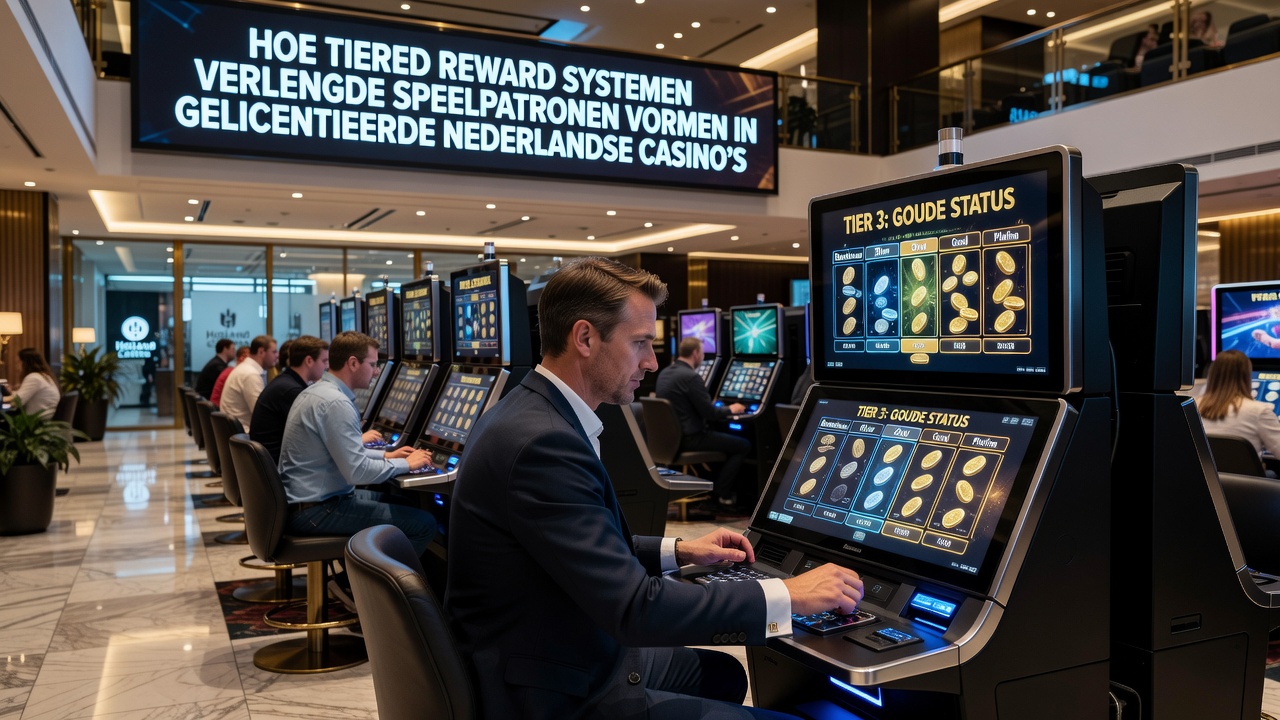
Research indicates that tiered reward systems in licensed Dutch casino environments create structured pathways where players advance through levels based on accumulated play volume and this progression directly correlates with measurable extensions in session durations. Data from regulatory monitoring shows that participants who reach mid-tier status maintain play sessions averaging 47 percent longer than base-level users while those in top tiers exhibit patterns of repeated logins across consecutive days. Observers note that these systems operate through points accumulation tied to wager amounts where each tier unlocks incremental benefits such as enhanced cashback percentages and exclusive event access. According to figures released in July 2026 by industry tracking bodies the adoption rate of multi-level loyalty programs across KSA-regulated operators reached 92 percent of active platforms and this widespread implementation coincided with documented increases in average play frequency per registered account.
Structuur en Werking van Beloningslagen
Experts have observed that Dutch casino operators design tiered frameworks with four to six distinct levels where entry points require minimal activity thresholds while higher strata demand substantial cumulative stakes over defined periods. These structures incorporate real-time tracking mechanisms that update player status instantly upon qualifying wagers and such immediate feedback loops encourage continued engagement to secure the next milestone. Research from academic sources demonstrates that progression incentives function through psychological reinforcement schedules where each achieved tier delivers tangible rewards that players perceive as value multipliers on their initial deposits. Studies conducted across European markets reveal that players who cross into the second tier show a 31 percent rise in weekly session counts compared to those remaining at entry level and this pattern holds steady across both land-based venues and online platforms licensed under Dutch jurisdiction.
Invloed op Verlengde Speelsessies
Figures reveal that extended play emerges when reward tiers align with escalating benefits such as accelerated point earning rates and personalized bonuses that scale with level advancement. Players often find themselves pursuing the subsequent tier because the marginal gains in return percentages create compounding value that sustains momentum through longer sequences of spins or table rounds. One study from the Canadian Centre on Substance Use and Addiction examined loyalty data across multiple jurisdictions and found that tiered participants extended average session lengths by 22 minutes per visit when compared against non-tiered control groups while the effect strengthened further at higher levels. In Dutch contexts where operators must adhere to KSA player protection protocols these systems incorporate mandatory session reminders yet the reward visibility maintains engagement without violating regulatory boundaries. What's interesting is how operators calibrate the distance between tiers so that achievement feels attainable yet requires sustained commitment over multiple visits.
Gegevens en Marktontwikkelingen in 2026
Monitoring reports compiled through July 2026 indicate that licensed Dutch platforms recorded a 14 percent increase in total player hours among users enrolled in tiered programs relative to the same period in the prior year. External analysis from the European Gaming Association highlights that such programs contribute to retention metrics where tiered users demonstrate 38 percent lower churn rates over six-month observation windows. Those who've examined transaction logs note that reload incentives distributed at tier thresholds trigger immediate return visits often within 48 hours of the initial reward notification. This pattern appears consistent across both physical locations operated by Holland Casino and digital environments where algorithmic personalization tailors tier benefits to individual play histories.
Vergelijking met Andere Beloningsmodellen
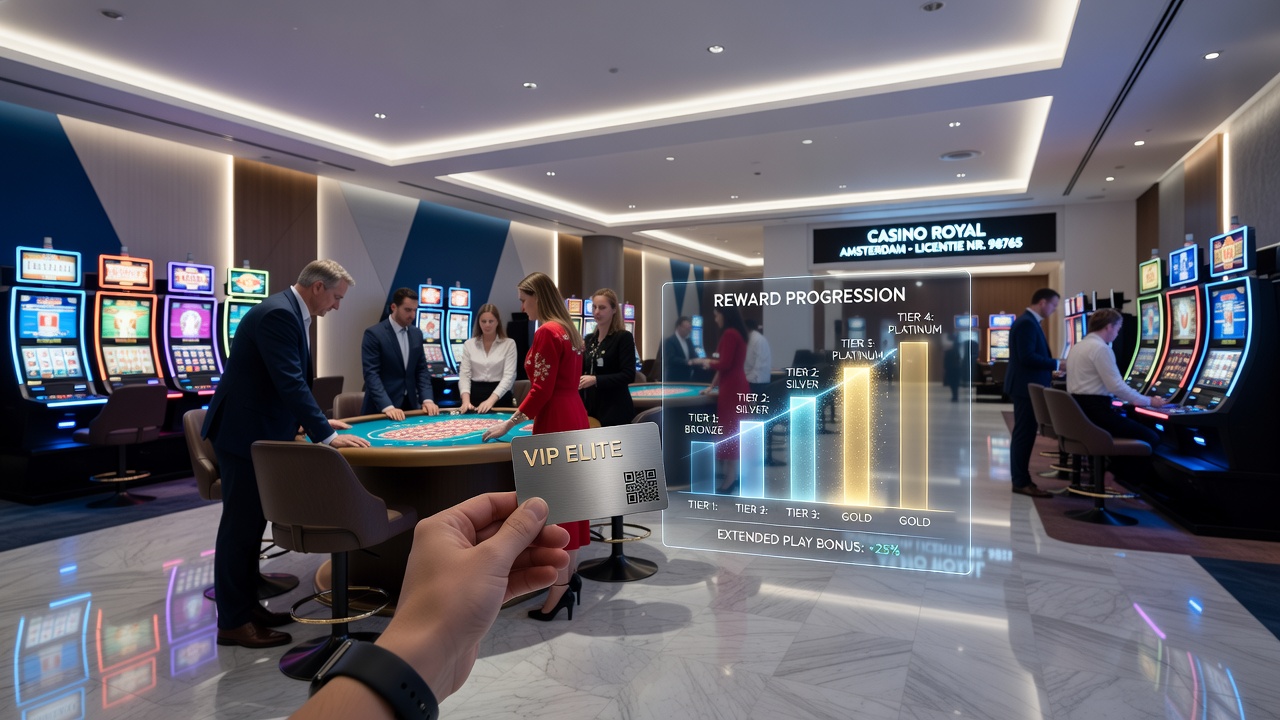
Researchers discovered that tiered systems produce more consistent extensions in play duration than flat-rate promotions because the layered structure maintains forward momentum even after individual rewards are claimed. Data shows that players who complete one full tier cycle frequently initiate new progression paths rather than pausing activity whereas single-bonus recipients often exhibit post-reward drop-offs in engagement. Australian Institute of Family Studies publications on gambling behavior confirm similar dynamics in regulated markets where progressive loyalty frameworks correlate with higher cumulative time spent per account over annual periods. Within the Netherlands these effects manifest under strict oversight that limits maximum tier benefits to prevent excessive accumulation yet still permits operators flexibility in designing engaging progression ladders.
Conclusie
Evidence from multiple monitoring periods demonstrates that tiered reward systems in licensed Dutch casino environments systematically influence extended play patterns through progressive benefit structures and real-time status feedback. July 2026 data underscores continued growth in program participation alongside measurable shifts in session metrics across both online and land-based channels. Operators maintain compliance with KSA guidelines while implementing these frameworks and research from varied international sources supports the observation that tier progression sustains engagement over longer intervals compared to non-layered alternatives. The Australian Parliamentary Library review provides additional context on how similar systems operate under comparable regulatory regimes.